Additions
Additions in Missoula for families outgrowing current floor plans or needing dedicated functional space
Square Footage Added Without Changing Your Address
Room additions expand living space by constructing new square footage that connects seamlessly to existing structures through foundation work, roof line integration, and interior finishes that match surrounding rooms. Homeowners in Missoula facing cramped living areas, insufficient bedrooms for growing families, or lack of dedicated home office space turn to additions rather than relocating when neighborhood, schools, or property characteristics make staying in place the preferred option. Meridian Construction Company manages the structural planning and execution required to add functional space without compromising the existing home's structural integrity or creating visible seams where new construction meets old.
Addition construction begins with foundation placement that matches existing depth and footing specifications to prevent differential settling between old and new sections. Roof lines must integrate without creating valleys that trap snow or channel runoff toward vulnerable areas, a particular concern in regions experiencing Montana's winter snow loads and spring melt cycles.
Request addition planning services to evaluate how proposed square footage integrates with existing rooflines and foundation systems.
What Seamless Integration With Existing Structures Requires
Structural planning for additions involves calculating load paths for new roof weight, determining whether existing foundation walls can support attachment points for added square footage, and verifying that soil conditions provide adequate bearing capacity for new footings. Execution requires removing sections of existing exterior walls to create openings between spaces, installing headers sized to carry roof loads above new doorways, and matching siding, trim, and roofing materials so additions blend visually with original construction.
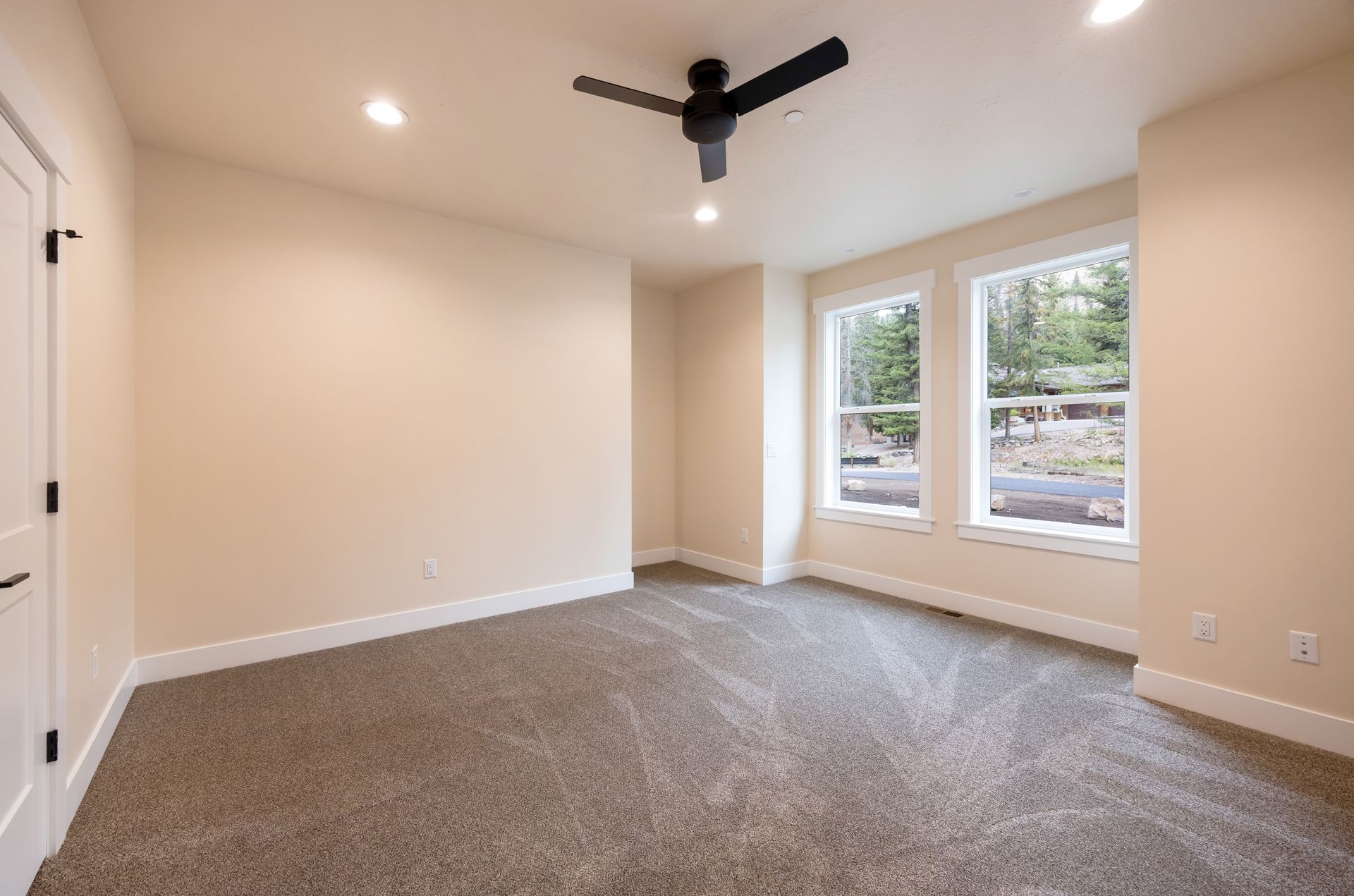
Once complete, floor levels align between old and new spaces without transition strips or noticeable height differences, interior finishes carry consistently across the connection point, and exterior siding shows no visible joint where addition walls meet the original structure. Temperature remains uniform throughout because insulation and HVAC integration prevent the addition from becoming colder in winter or warmer in summer than existing rooms. The addition functions as though it was part of the original floor plan rather than appearing tacked on as an afterthought.
Addition projects range from single-room expansions like primary bedroom suites or sunrooms to full second-story builds that double living space. Scope decisions depend on whether existing mechanical systems have capacity to serve additional square footage, whether local setback requirements allow expansion in desired directions, and whether property grade requires foundation adjustments to maintain proper drainage away from all exterior walls.
Common Questions About Adding Space
Property owners considering additions typically ask about foundation requirements, how new space integrates mechanically and structurally, and what factors affect project feasibility.
What determines whether an addition can connect to existing HVAC systems?
Capacity depends on whether current furnace and ductwork can handle the increased heating load from added square footage, which requires calculating heat loss for new exterior walls and determining if existing supply trunk lines have room for additional branch ducts without reducing airflow to original rooms.
How do foundation requirements differ for single-story versus two-story additions?
Two-story additions require deeper footings and thicker foundation walls to support the weight of upper floor framing, roofing, and live loads from occupants, while single-story additions may match existing foundation depth if soil bearing capacity and frost line depth allow.
Why do some additions develop cracks where new construction meets old?
Cracking occurs when new foundations settle at different rates than existing footings, typically because soil beneath new construction wasn't compacted to match bearing capacity under the original structure or because footing depth differences create unequal frost heave movement during winter freeze-thaw cycles.
What structural challenges are specific to additions in Missoula's climate?
Snow load calculations must account for increased roof area and how new roof lines may channel snow accumulation differently than original designs, while foundation depth must extend below frost line to prevent heave movement that creates cracks where additions join existing walls.
When does expanding outward make more sense than finishing existing basement or attic space?
Additions provide full-height living space with natural light and direct access, while basement conversions involve waterproofing concerns and limited window area, and attic conversions face roof pitch constraints that reduce usable floor area and require expensive structural modifications for headroom and stair access.
Meridian Construction Company provides consultations that assess property layout constraints, soil conditions affecting foundation options, and how proposed additions integrate with existing structural systems. Schedule a property evaluation to identify the most feasible expansion approach for your changing space requirements.
Check out our recent projects