Bathroom Remodeling
Bathroom Remodeling in Missoula for homes with outdated tile, poor ventilation, or insufficient storage
Fixtures and Surfaces Built for Daily Moisture
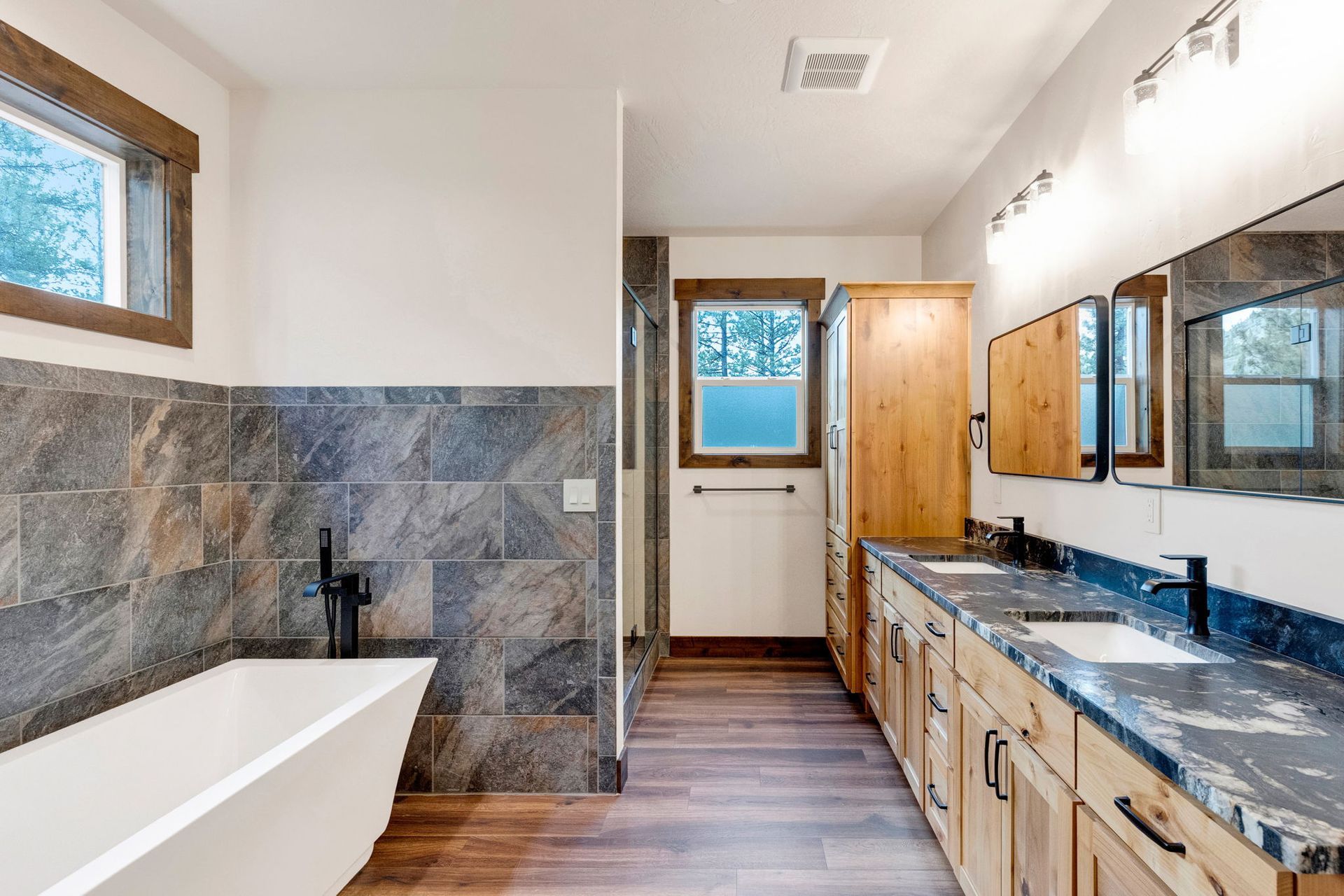
Bathrooms showing cracked grout lines, fixtures with mineral buildup, or vanities warped from years of humidity exposure indicate the need for remodeling that addresses both visible wear and underlying moisture management failures. Meridian Construction Company completes bathroom upgrades throughout Missoula by installing tile selected for slip resistance and water impermeability, replacing fixtures prone to corrosion in hard water conditions, and reconfiguring layouts to add storage without sacrificing floor space. The work transforms rooms where daily use has degraded surfaces beyond what cleaning or minor repairs can address.
Bathroom remodeling involves removing existing tile to inspect substrate conditions, replacing any water-damaged framing or subfloor, and installing waterproof membranes before new tile goes down. Fixture selection considers water pressure requirements, drain line compatibility, and whether existing plumbing can support features like multiple showerheads or soaking tubs without modifications to supply lines.
Request a bathroom remodeling estimate that includes substrate inspection and waterproofing specifications.
How Material Selection Affects Long-Term Performance
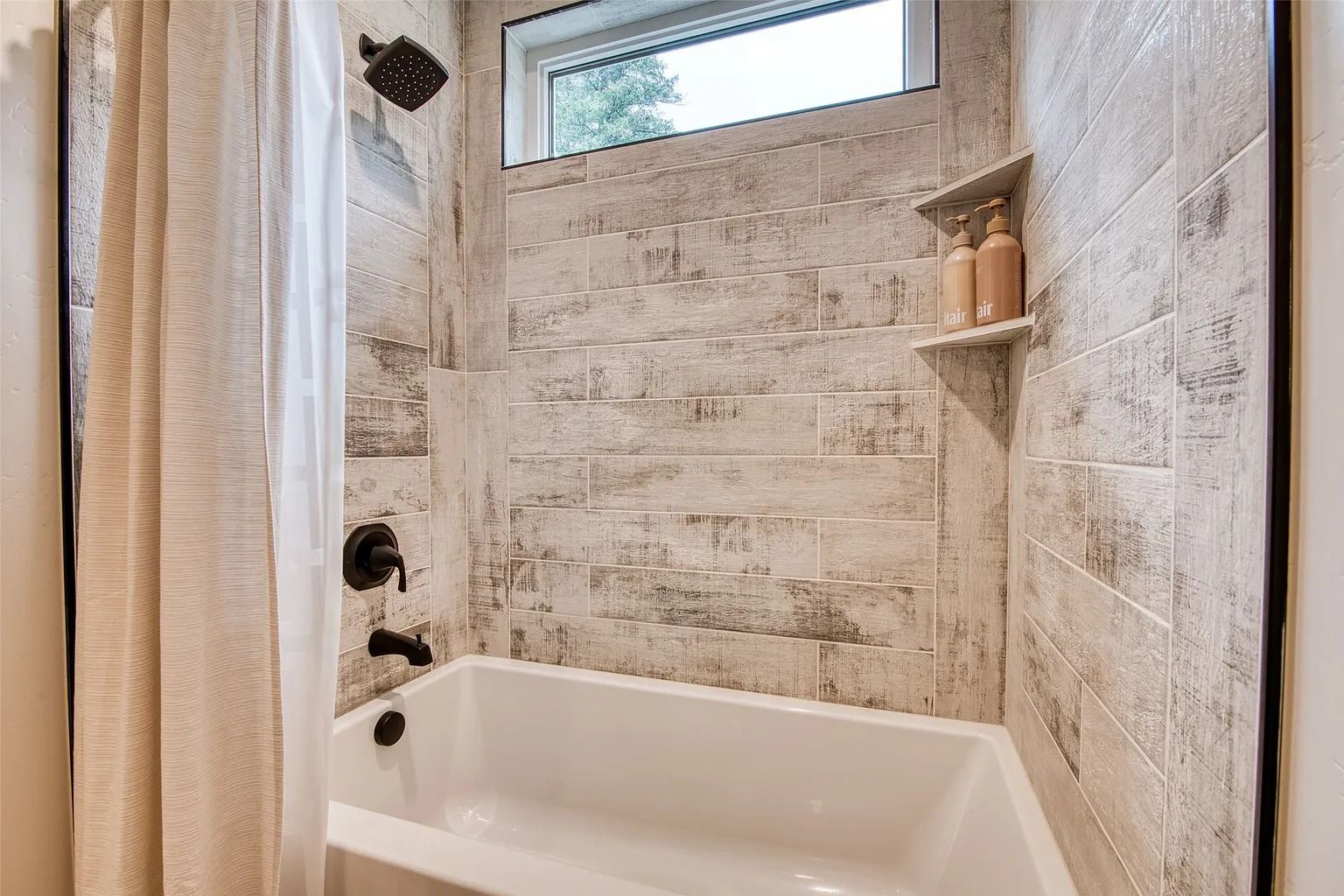
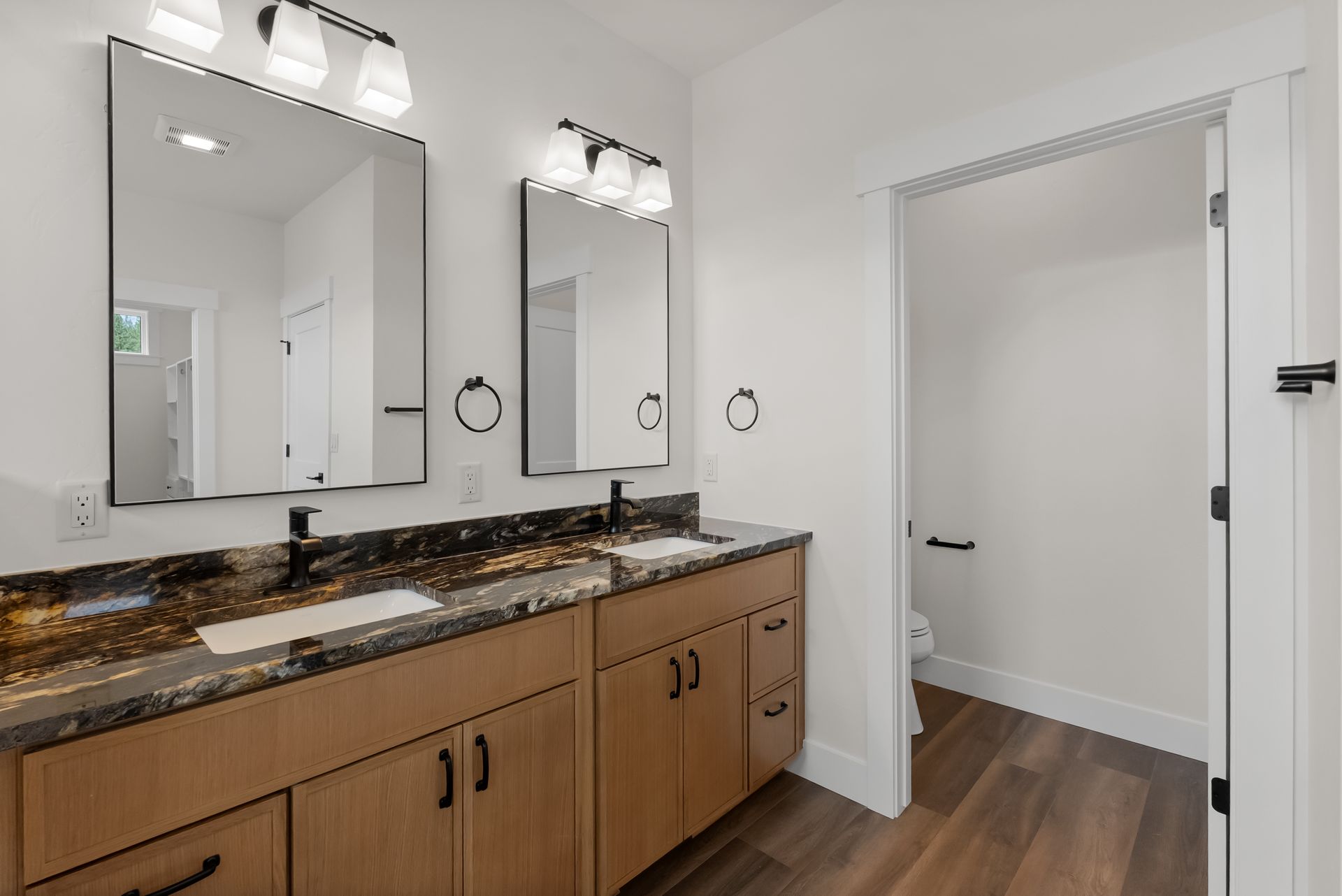
Tile installation requires setting materials in thin-set mortar over properly sloped substrates that direct water toward drains, with grout joints sealed to prevent moisture infiltration behind finished surfaces. Durable materials suited for moisture and wear include porcelain tile rated for floor use, acrylic or solid-surface tub surrounds that resist mildew growth, and vanity cabinets constructed from moisture-resistant materials rather than particleboard that swells when exposed to bathroom humidity.
After completion, shower enclosures shed water without pooling in corners, vanity drawers open smoothly despite humidity fluctuations, and tile surfaces remain intact without cracking under foot traffic. Grout lines stay clean longer due to proper sealing, faucets operate without dripping from worn washers, and exhaust fans remove steam effectively enough to prevent mirror fogging and paint deterioration on ceiling surfaces.
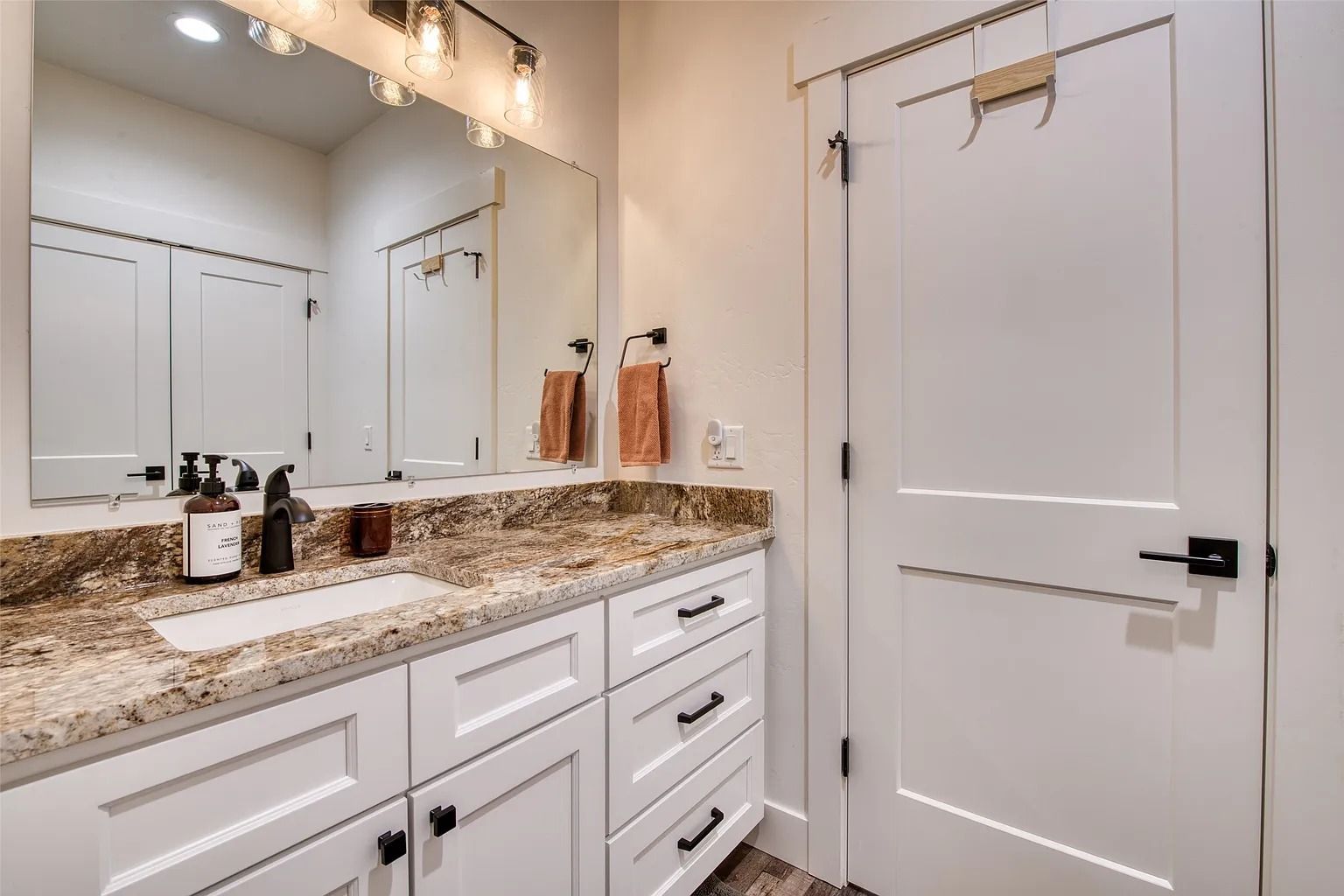
The scope of work ranges from fixture-only upgrades that preserve existing tile and layout to full remodels involving wall removal, plumbing relocation, and complete surface replacement. Storage improvements often involve recessed medicine cabinets, built-in shelving within shower enclosures, or vanity replacements with drawer configurations designed for toiletry organization rather than generic cabinet boxes.
Questions About Bathroom Upgrades
Bathroom projects prompt questions about ventilation requirements, fixture compatibility, and how material choices respond to moisture exposure over time.
What causes grout to crack or discolor in bathroom installations?
Cracking typically results from substrate movement when tile is installed over flexible flooring or insufficient thin-set coverage leaves voids beneath tiles. Discoloration comes from mildew growth in porous grout that was never sealed or from water wicking through failed grout joints into the substrate behind.
How does fixture quality affect repair frequency and water efficiency?
Higher-quality faucets use ceramic disc cartridges that maintain seal integrity for decades, while budget fixtures rely on rubber washers that degrade within years. Water-efficient fixtures reduce consumption without noticeably affecting pressure when properly matched to existing supply line capacity.
Why do some vanities warp while others remain stable in humid environments?
Solid wood or plywood vanities with sealed finishes resist moisture absorption, while particleboard cores swell irreversibly when water penetrates through unsealed edges or damaged finish coats, causing drawer fronts to misalign and cabinet doors to bind.
When should bathroom exhaust capacity be upgraded during remodeling?
Upgrade when the existing fan cannot exchange bathroom air volume within code-required timeframes, particularly in Missoula where winter heating means windows stay closed and humidity from showers has no natural escape route without mechanical ventilation.
What structural considerations affect tub or shower replacement decisions?
Replacing a standard tub with a larger soaking model may require floor joist reinforcement to support additional water weight, while converting tubs to walk-in showers necessitates new drain placement and waterproof membrane installation across expanded wet areas.
Meridian Construction Company evaluates existing bathroom conditions to identify whether moisture damage extends beyond visible surfaces and which upgrades deliver the most functional improvement. Arrange an on-site assessment to determine material requirements and layout modification options for your space.
Check out our recent projects